Dear Customers, Please check availability of items before placing your order. We do not do in store collections. Dismiss

Skip to content
Caprica Solar | Solar Combos, Solar Repairs and Loadshedding Solutions
  • Home
  • Our Online Shop
    • SOLAR BATTERIES
    • LOADSHEDDING SOLUTIONS
    • CHARGE CONTROLLERS
    • INVERTERS
    • SOLAR PANELS
    • ACCESSORIES
  • Services
    • Battery and Inverter Recycling
    • Battery Replacement/Upgrades to Lithium
    • Disposal of End of Life Solar Products
    • Inverter Servicing and Repairs
    • UPS Maintenance and Repairs
    • Installations
  • FYI
    • Solar panels
    • Deye 8kw vs Sunsynk 8kw Inverter: which inverter is better for you?
    • charge controllers
    • Sunsynk 5kW Hybrid Inverter: 2024 Complete Guide
    • Batteries
    • Inverters
    • Lithium (LFP) vs Lead Acid Battery
    • How to measure duty cycle
    • MPPT v PWM Solar Charge Controllers
    • Types of Photovoltaic Solar Panels
    • How To Choose The Right Solar Inverter For Your Home and Office in 6 Steps
    • What is the difference between a normal lead-acid car battery and a deep cycle battery?
  • Book Repairs
  • Contact Us

Shop

Caprica Solar | Solar Combos, Solar Repairs and Loadshedding Solutions > Products > SOLAR PANELS
“JA Solar Panel 545W – 550W” has been added to your cart. View cart

Showing 17–27 of 27 resultsSorted by price: high to low

  • Sale! JA Solar Panel 545W - 550W

    JA Solar Panel 545W – 550W

    R1,800.00 Original price was: R1,800.00.R1,650.00Current price is: R1,650.00.
    Add to cart
  • Canadian Solar 345W Super High Power Poly PERC HiKU

    Canadian Solar 345W Super High Power Poly PERC HiKU

    R1,650.00
    Read more
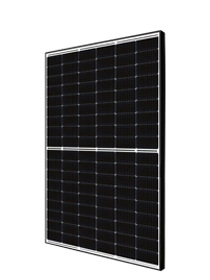
  • Canadian Solar 450W High Power Mono

    Canadian Solar 450W High Power Mono

    R1,550.00
    Add to cart
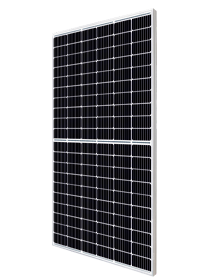
  • Canadian Solar 455W

    Canadian Solar 455W

    R1,550.00
    Add to cart
  • Canadian Solar 375W Super High Power Mono PERC HiKU with MC4-EVO2 SF

    Canadian Solar 375W Super High Power Mono PERC HiKU with MC4-EVO2 SF

    R1,400.00
    Read more
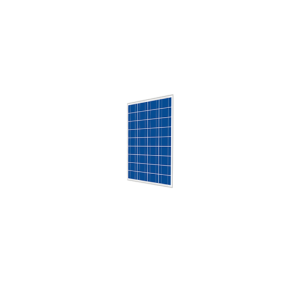
  • 100W Solar Panel poly

    100W Solar Panel poly

    R900.00
    Add to cart
  • 50W 36 Cell Poly Solar Panel

    50W 36 Cell Poly Solar Panel

    R900.00
    Add to cart
  • Sale! Complete 160 amp dual fuse kit

    Complete 160 amp dual fuse kit

    R995.00 Original price was: R995.00.R895.00Current price is: R895.00.
    Add to cart
  • 80W 36 Cell Poly Solar Panel

    80W 36 Cell Poly Solar Panel

    R850.00
    Add to cart
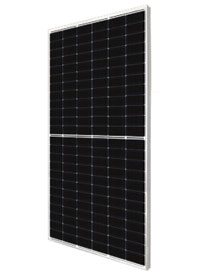
  • Seraphim SIV Monocrystalline Series 555Wp Silver Frame

    Seraphim SIV Monocrystalline Series 555Wp Silver Frame

    Read more
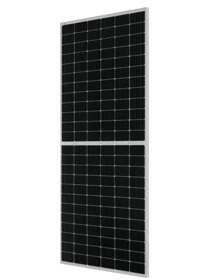
  • JA Solar 455W Mono

    JA Solar 455W Mono

    Read more
  • ←
  • 1
  • 2

Basket

Recently Viewed Products

  • Determine Your Power Requirements The first step in selecting an inverter is to figure out how much power you need. This will depend on the appliances and tools you want to run during a power outage. To determine your power requirements, you'll need to know the wattage or current (in amps) of each item. This information can usually be found on the specification plate of the appliance or in the manual. If you can't find this information, you can contact the appliance supplier to ask. It's important to know both the continuous rating (in watts or amps) and the peak/surge rating (in watts or amps) of each item. Convert Amps to Watts To convert amps to watts, use this formula: watts = amps x voltage. For example, if you have an appliance that uses 5 amps and is plugged into a 120-volt outlet, the wattage would be 5 amps x 120 volts = 600 watts. Calculate the Startup Load (Peak/Surge Watts) Many appliances, particularly those with induction motors (such as air conditioners, refrigerators, and pumps), have a higher peak/surge wattage when they start up. To approximate the startup load for an appliance, multiply the continuous wattage by 3. For example, if an appliance has a continuous wattage of 500 watts, the peak/surge wattage would be approximately 500 watts x 3 = 1500 watts. Consider Sinewave Output Inverters can have either modified sinewave (squarewave) or pure sinewave output. Pure sinewave inverters produce a cleaner, more stable power supply and are compatible with all appliances. Modified sinewave inverters are less expensive, but may not work with certain appliances and can produce interference with some electronics. Compare Inverter Sizes and Prices Once you know your power requirements, you can compare the sizes and prices of different inverters to find the one that best meets your needs. Be sure to consider both the continuous rating and the peak/surge rating when selecting an inverter. It's also a good idea to choose an inverter with a higher continuous rating than you need, to allow for a safety margin. Look for Quality and Durability When shopping for an inverter, it's important to consider the quality of the product and the reputation of the manufacturer. Look for an inverter with a long warranty period, as this can be an indication of the manufacturer's confidence in the product. It's also a good idea to research the company's history and read customer reviews to get an idea of the level of service you can expect. Consider the Size and Weight of the Inverter The physical size and weight of the inverter will be a factor if you need to transport it or have limited space to store it. Make sure you have enough room to install the inverter and that it is not too heavy for you to handle. Check for Safety Features Make sure the inverter you choose has safety features such as overload protection, overvoltage protection, and temperature control. These features will help ensure the inverter operates safely and reliably. 10kw +12.5kwh Lithium Battery Combo R65,000.00

Caprica Solar | Solar Combos, Solar Repairs and Loadshedding Solutions is proudly powered by WordPress

Home
Account
Cart
Search